


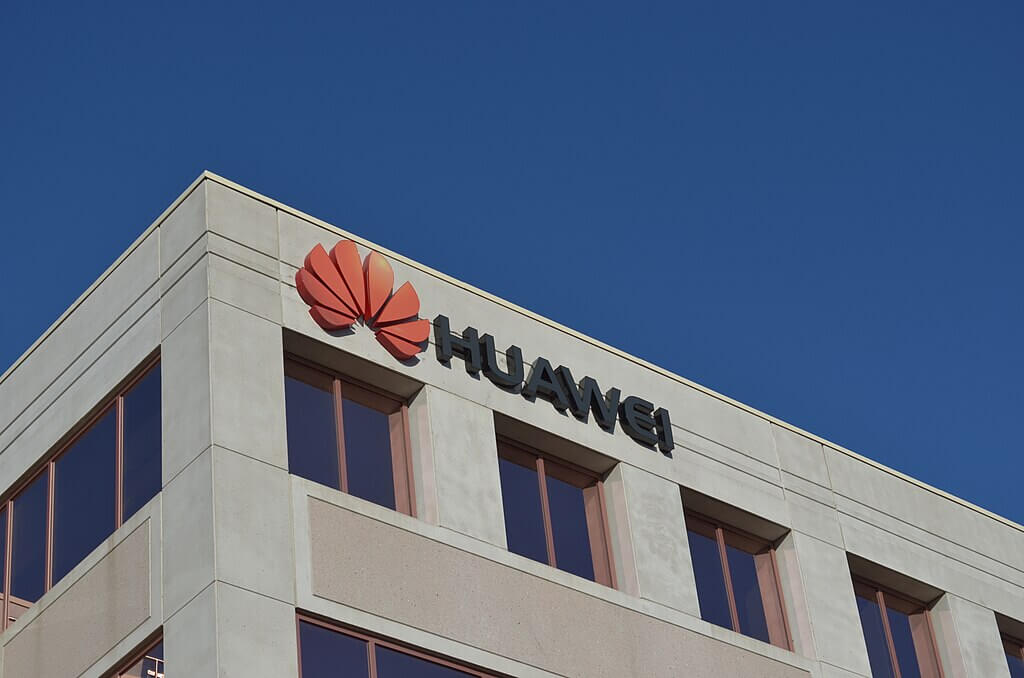
Huawei Unveils Advanced AI Supercomputing Technology and 5G-AI Partnerships in 2025, marking a pivotal development in the global artificial intelligence landscape. The company introduced its latest innovations at the Huawei Connect 2025 summit, showcasing state-of-the-art AI infrastructure and strategic collaborations that reflect its ambition to lead in AI computing despite facing international challenges.
Huawei’s newly launched AI-centric Xinghe Intelligent Network is designed to meet escalating demands for high-speed, low-latency, and secure connectivity. This next-generation network architecture improves data communication with features like near-zero packet loss and deterministic latency, offering enterprises reliable and efficient AI application environments.
In hardware, Huawei revealed its powerful Atlas 950 and Atlas 960 SuperPoD AI clusters. These large-scale systems harness thousands of Ascend proprietary AI chips interconnected through Huawei’s innovative UnifiedBus protocol. The upcoming Atlas 950 SuperPoD, releasing by the fourth quarter of 2026, will house over 8,000 Ascend neural processing units (NPUs), while the Atlas 960 version aims to incorporate more than 15,000 NPUs by 2027. Combined into SuperClusters, these configurations are projected to reach computing power levels that rival existing global leaders like Nvidia, supporting intensive AI model training and inference at unprecedented scales.
Huawei’s open architecture strategy, including the open source release of its UnifiedBus 2.0 interconnect standard, fosters a vibrant AI ecosystem by enabling more partners to build tailored, high-performance computing solutions. This approach not only addresses hardware constraints caused by restricted access to the latest semiconductor fabrication nodes but also aims to democratize AI supercomputing innovation.
Complementing its hardware advancements, Huawei announced a key partnership with Malaysian telecom operator U Mobile. Together, they are accelerating the integration of 5G-Advanced and AI technologies through an Enterprise Innovation Platform (EIP), which facilitates the development and deployment of AI-enabled services and smart solutions for industry and consumers in Malaysia. This collaboration exemplifies Huawei’s commitment to expanding AI adoption across diverse markets.
Despite facing geopolitical hurdles, especially in accessing advanced chip manufacturing, Huawei is leveraging scale and system design to maintain competitive advantages. It continues to evolve its Ascend chip lineup, including upcoming releases such as the Ascend 950PR, 950DT, 960, and 970 series over the next three years, striving to secure sustainable computing power vital for advancing AI capabilities globally.
Huawei’s comprehensive approach—combining ambitious AI chip development, cutting-edge networking, open ecosystem initiatives, and international partnerships—positions it as a critical player shaping the future of AI infrastructure. The company’s trajectory highlights the growing significance of AI supercomputing in driving technological transformation worldwide while navigating complex global challenges.
This article compiles verified details from multiple dependable sources, including Huawei’s official communications and trusted industry reports, emphasizing factual accuracy and balanced representation. Speculative points about future market impact and comparative performance remain subject to ongoing validation.